How to Grow Epazote
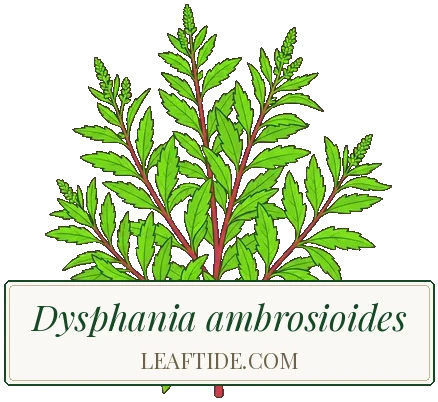
Dysphania ambrosioides
Epazote is a fast-growing, pungent Mexican herb that thrives in warm, sunny conditions with well-drained soil. Start seed indoors 3 weeks before the last frost or direct-sow once the soil is warm (18°C+). Surface-sow — seeds need light to germinate. Pinch growing tips regularly to keep plants bushy and delay flowering; leaves lose flavour once the plant bolts. Remove flowers promptly to prevent rampant self-seeding. Add a few fresh sprigs to black beans or quesadillas during cooking for authentic Mexican flavour. Plants are drought-tolerant once established and prefer lean soil over rich compost.
 In your Leaftide garden
 - Hardiness
- Tender
- Season
- Warm Season
- Harvest
- Continuous Harvest
- Spacing
- 30 cm
- Height
- 90 cm
- Min. soil temperature
- 18°C+
- Start from
- Seed
- Light
- Full sun
- Water
- Moderate
When to Start
Start seeds indoors 3 weeks before your last frost date. Transplant outdoors once night temperatures stay above 10°C and soil has warmed to at least 18°C.
Don't know your frost date? Find it here →
Growth Stages
Approximate days from start
Care Essentials
- Light liquid feed every 3-4 weeks. Epazote is not a heavy feeder — too much nitrogen reduces the intensity of its pungent flavour.
- Essential Mexican culinary herb with a strong, pungent, petroleum-like aroma. Self-seeds prolifically — remove flowers before seed sets to prevent it spreading. Drought-tolerant once established; prefers poor to moderately fertile soil.
Growing Conditions
- Min. soil temperature
- 18°C+
- Germination temperature
- 18–24°C
Pet Safety
- Sow indoors
- —
- Transplant out
- —
- First harvest
- —
Want your full season plan with reminders? Set up your garden free


Spacing & Planting
| Plant spacing | 30 cm |
| Row spacing | 35 cm |
| Sow depth | 0 cm |
| Mature height | 90 cm |
| Mature spread | 40 cm |
Allow adequate spacing for its tall, branching habit. Can grow 60-120 cm tall.
Pests & Diseases
Pest Aphids
Identification: Small soft-bodied insects on shoot tips and leaf undersides; sticky honeydew residue
- Strong water spray to dislodge colonies
- Insecticidal soap
- Encourage ladybirds and lacewings
- Approved systemic insecticides
Pest Whitefly
Identification: Tiny white flies rising from leaves when disturbed; sticky honeydew on foliage
- Yellow sticky traps
- Insecticidal soap
- Encourage natural predators
- Approved systemic insecticides
Disease Damping Off
Symptoms: Seedling collapse at soil level; thin, weak stems
Treatment: Remove affected seedlings; improve air circulation and reduce watering
Prevention: Use sterile compost; avoid overwatering; ensure good ventilation
Disease Root Rot
Symptoms: Yellowing leaves, wilting despite moist soil, blackened roots
Treatment: Improve drainage; reduce watering frequency; remove affected plants
Prevention: Free-draining soil or compost; avoid overwatering
Growing Conditions
| Min. soil temperature | 18°C |
| Germination temperature | 18–24°C |
| Base growth temperature | 10°C |
| Min. daylength to start | 10h |
| Photoperiod sensitivity | day neutral |
Frequently Asked Questions
- How far apart should I plant Epazote?
- Plant Epazote 30cm apart with 35cm between rows.
- When can I harvest Epazote?
- Epazote is ready to harvest approximately 35 days after transplanting.
- Is Epazote frost hardy?
- Epazote is classified as Tender.